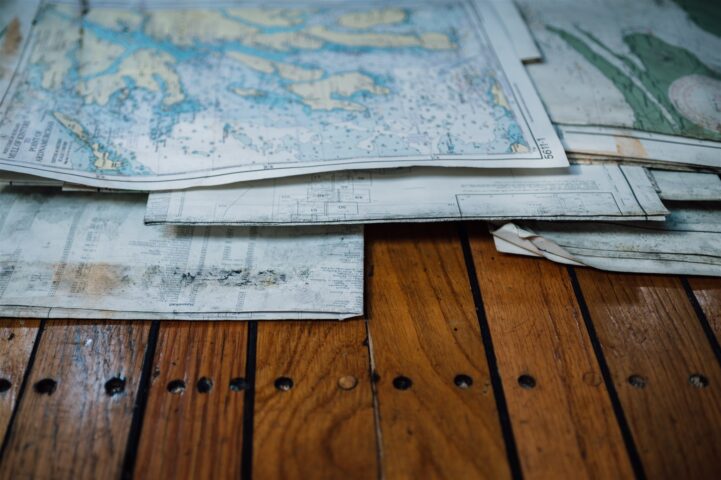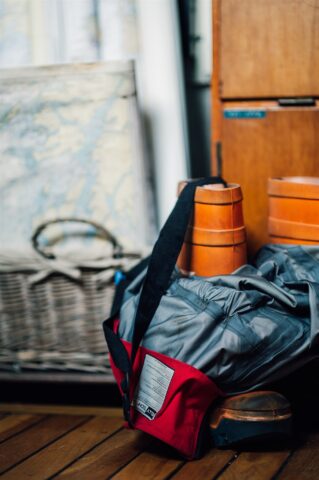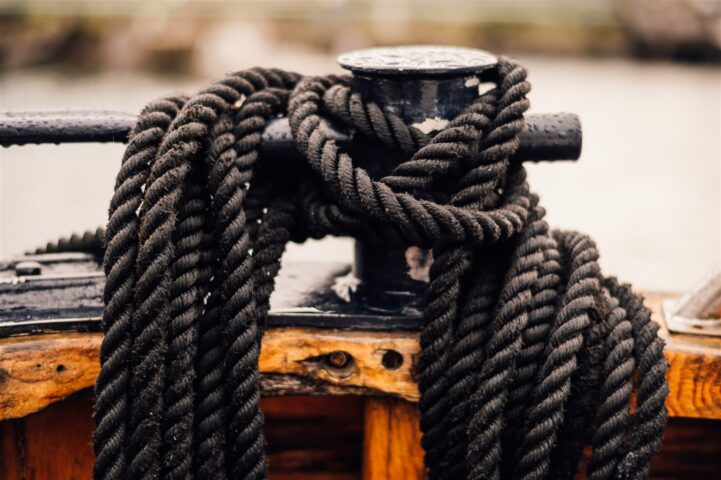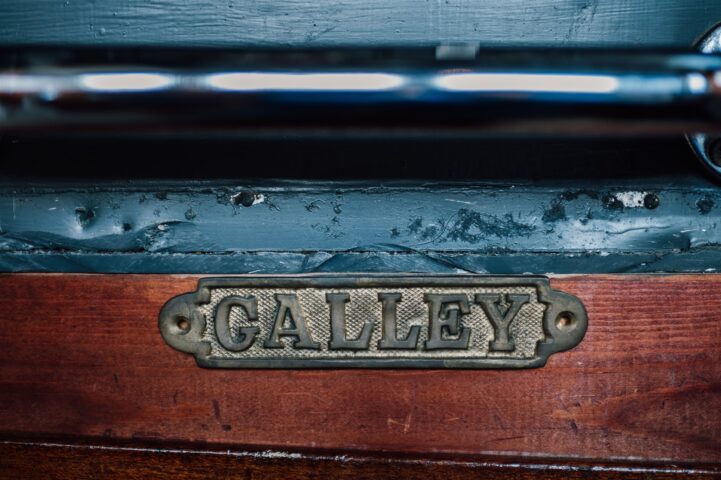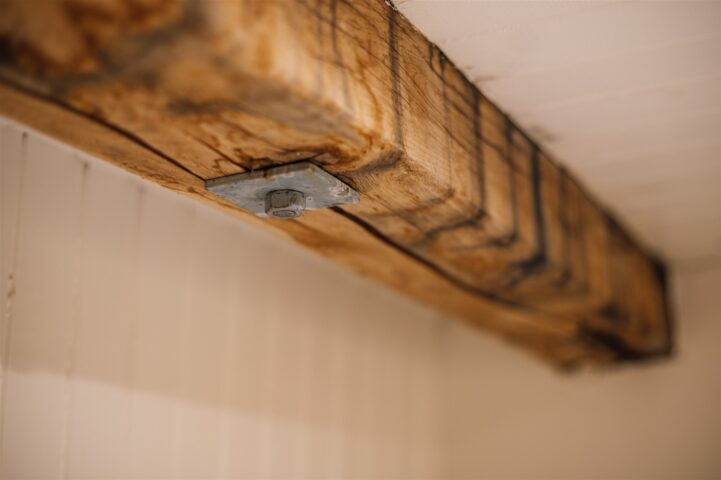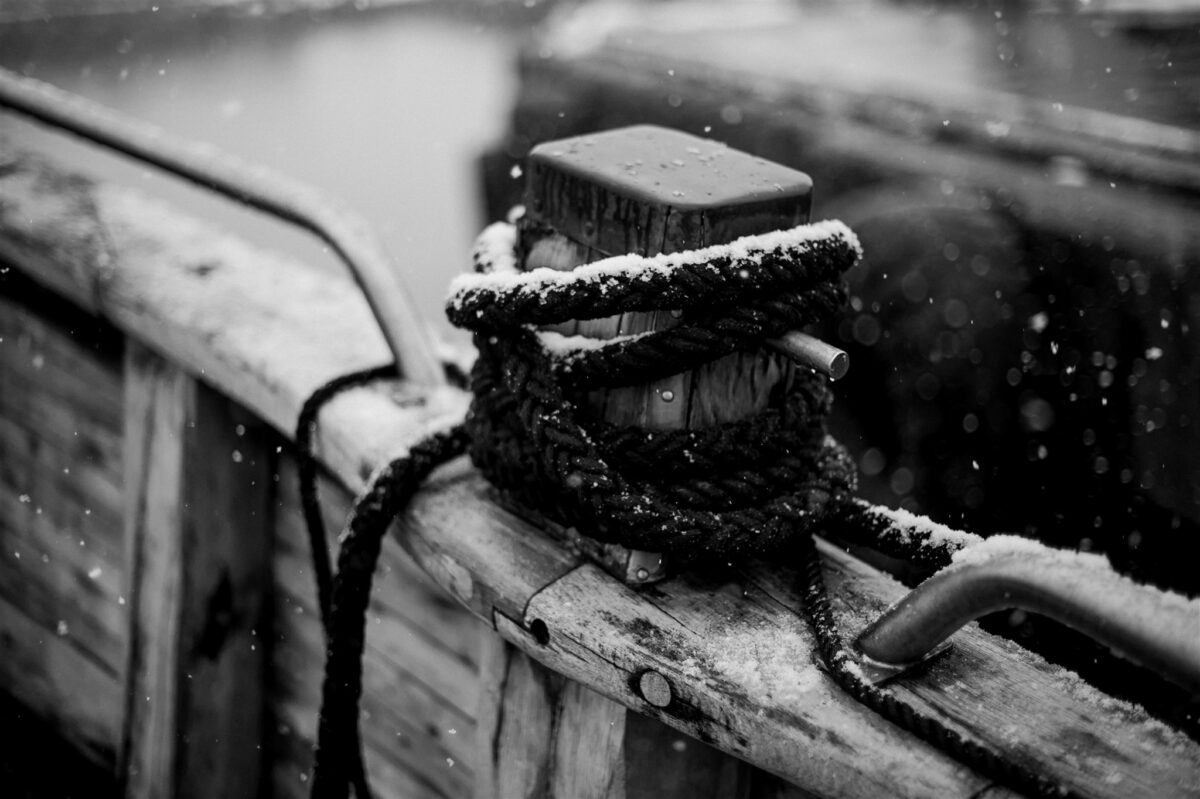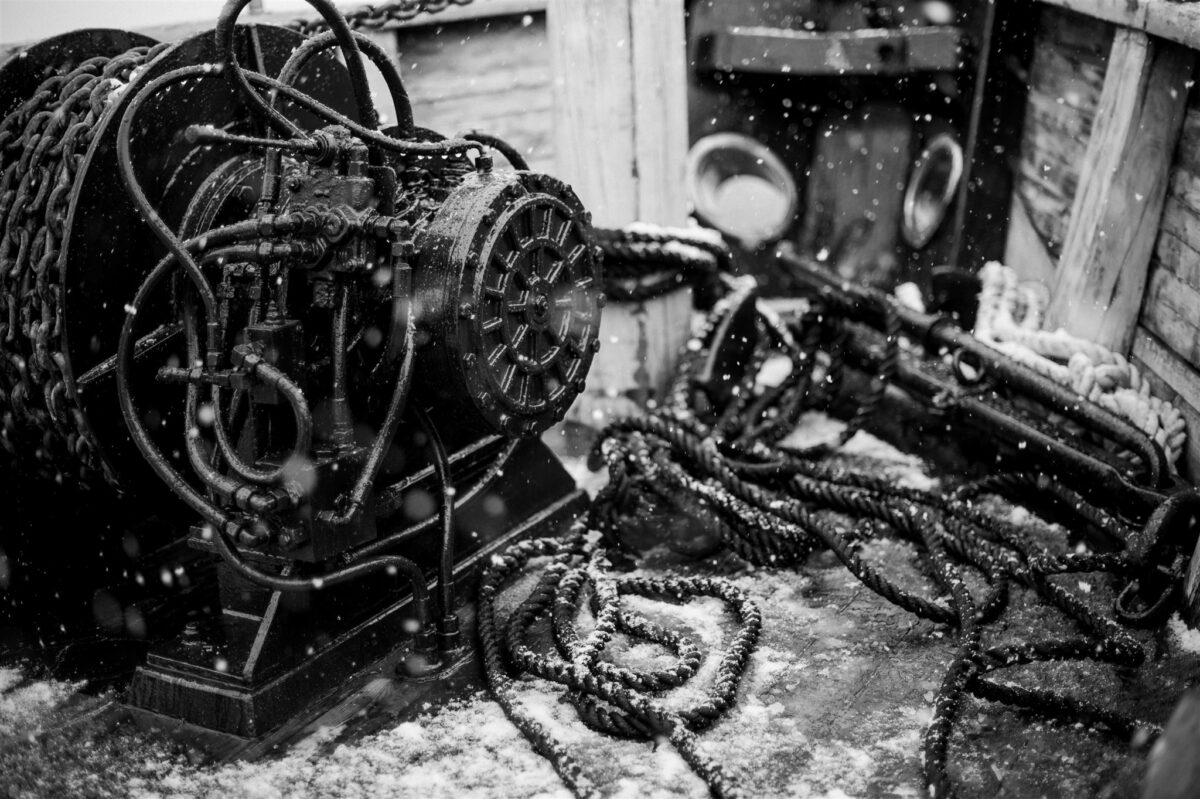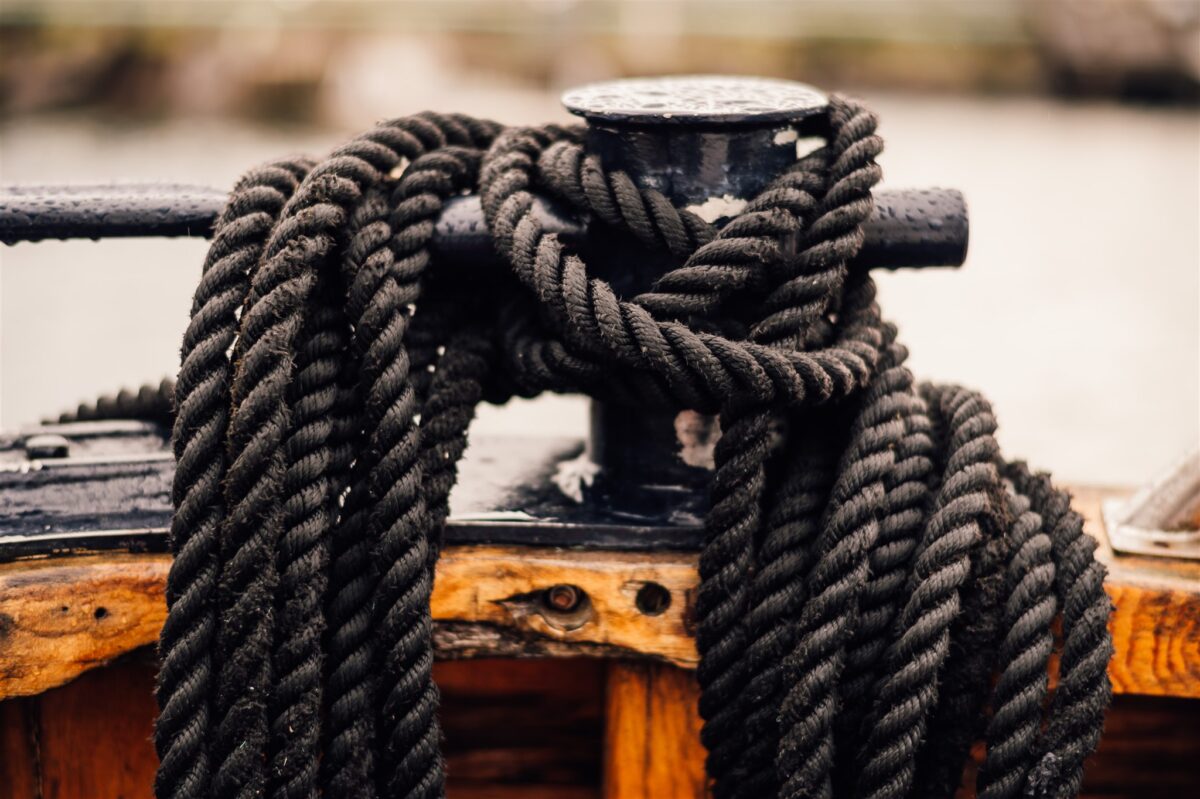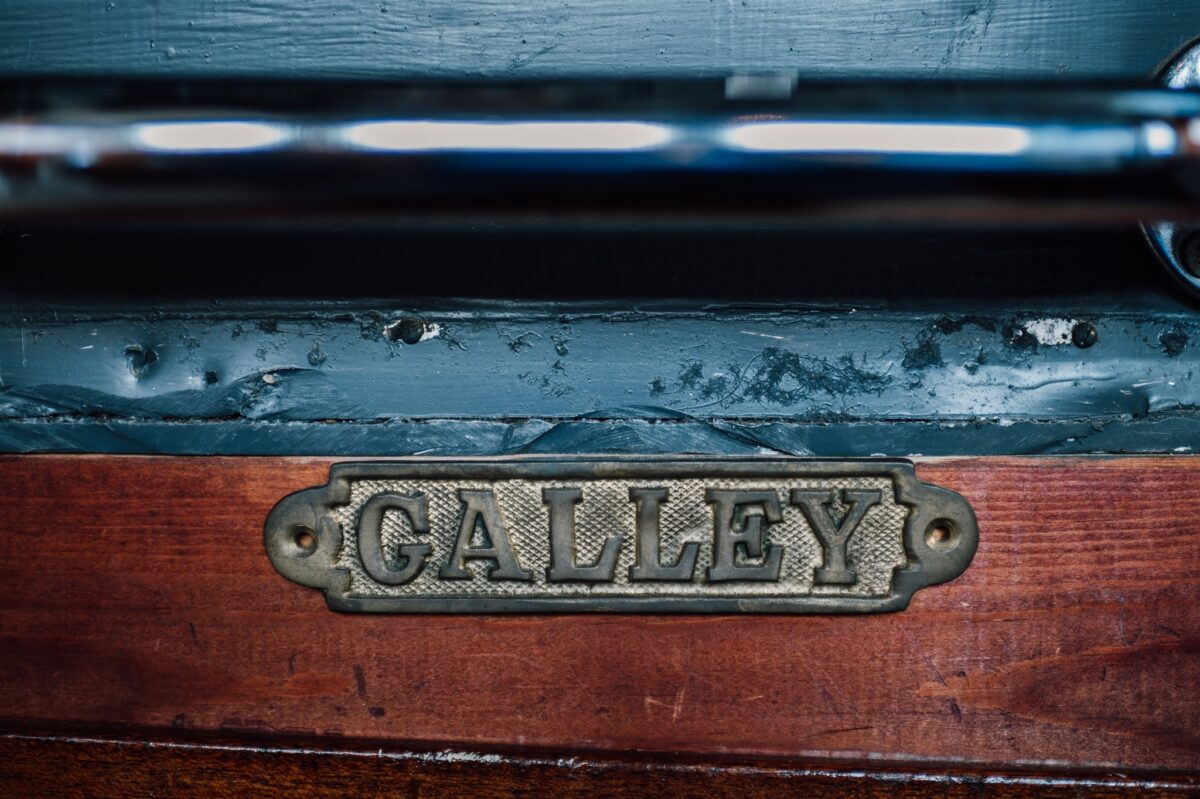
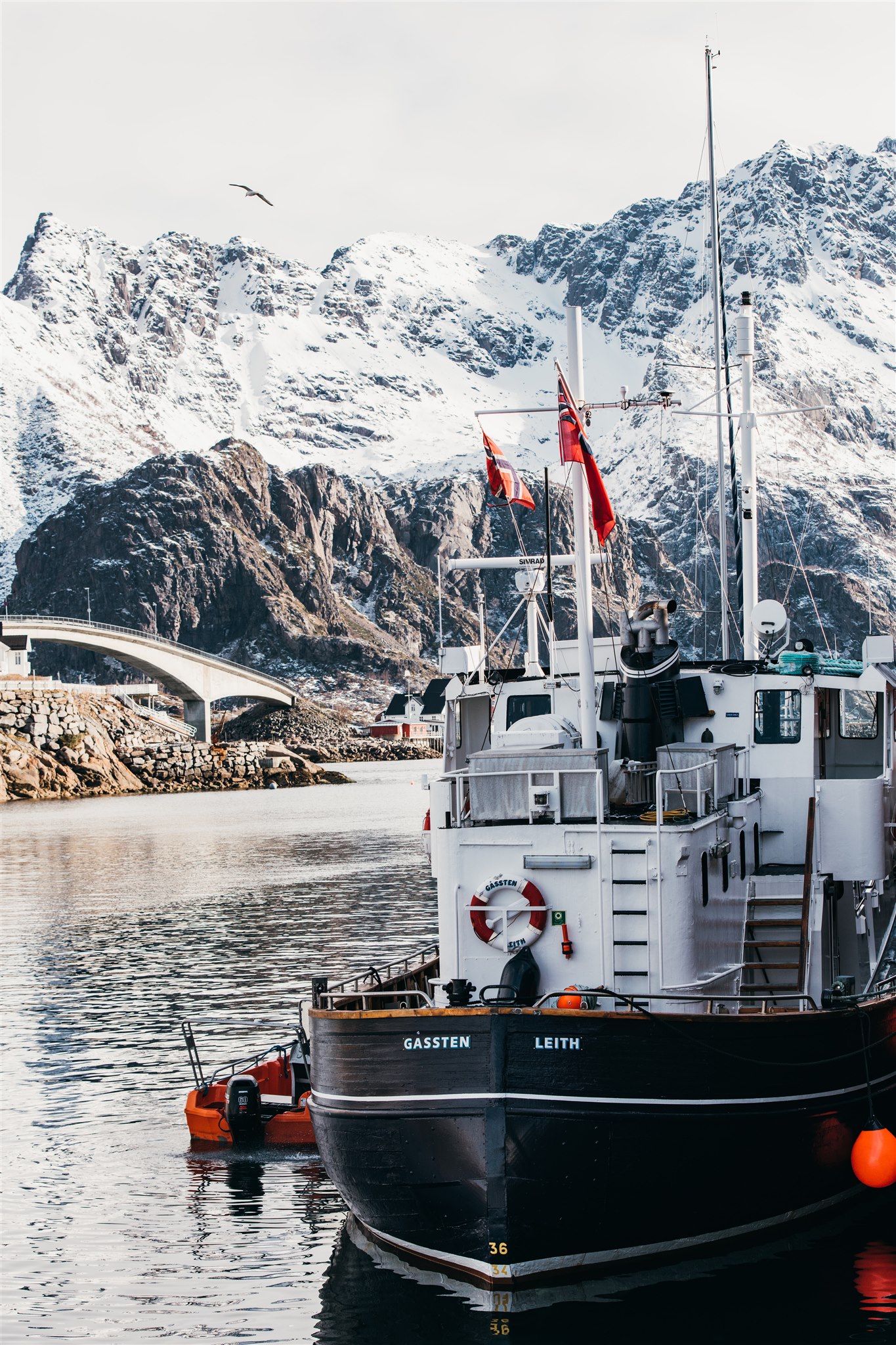
HMS Gåssten began life in 1973 as a Swedish Naval minesweeper, officially known as M31. One of the last wooden-hulled warships, her solid oak hull was built to ward off magnetic mines. She patrolled the Baltic and the Gulf of Bothnia for 26 years, clearing Second World War ordnance from the Cold War’s aquatic frontline and it is rumoured that King Carl Gustaf of Sweden completed his military service on board.
From 1999, HMS Gåssten served as a coastguard vessel for the United Nations and is credited with saving 19 lives. The last of three solid wooden ships to serve in the Swedish navy, she is now the only one of her class afloat. Of her other two sister ships, one is at the bottom of the Baltic Sea, another is on a permanent mooring outside the Vasa Maritime Museum in Stockholm.

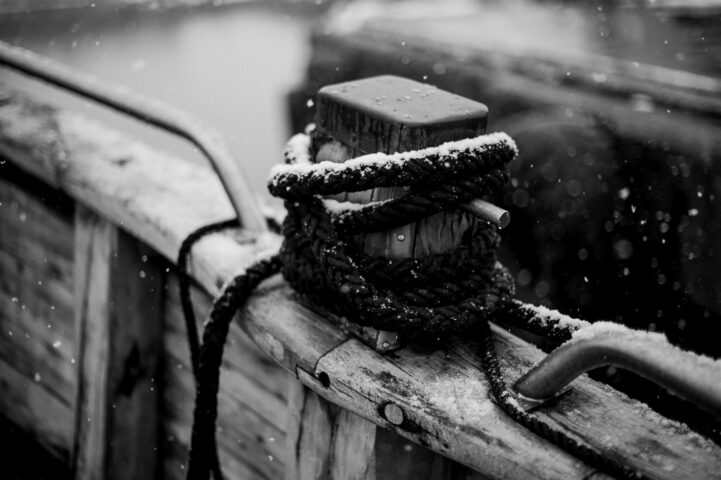

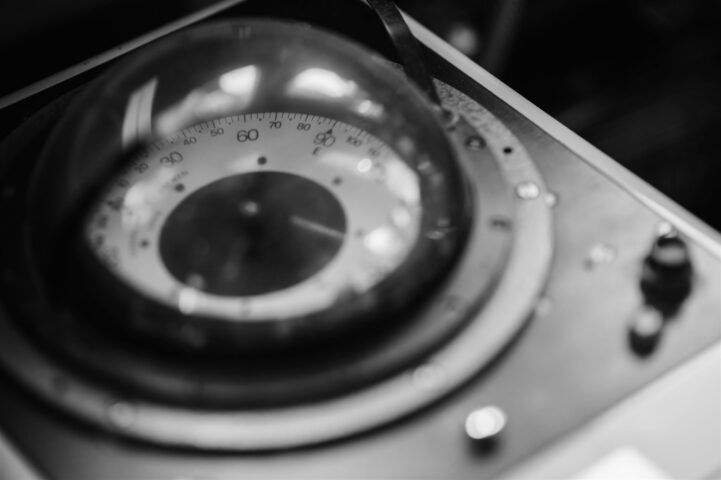


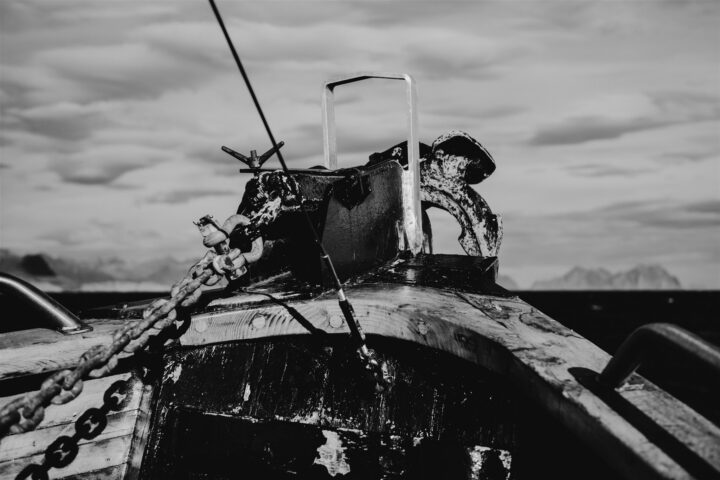

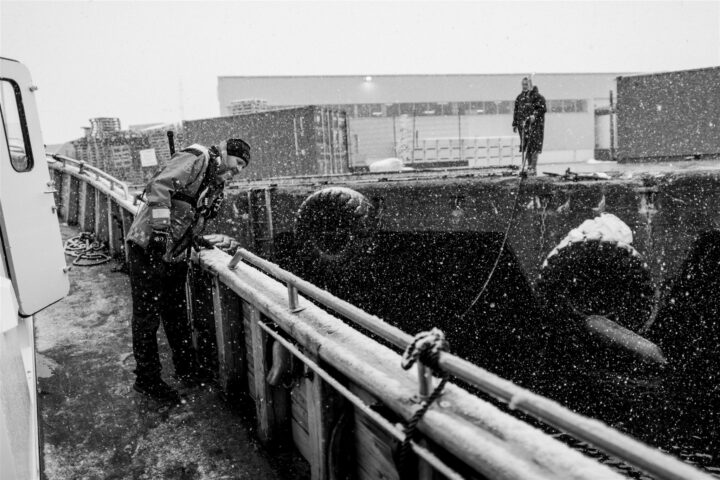

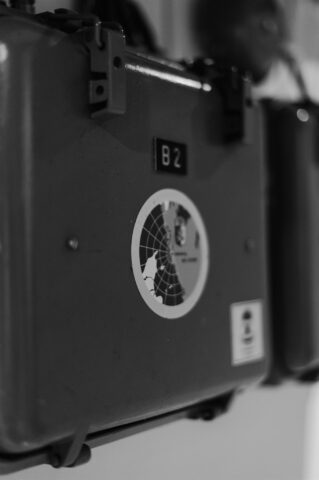
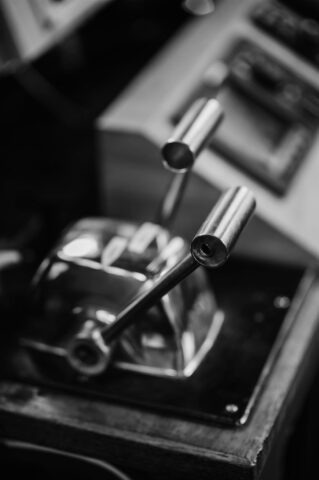

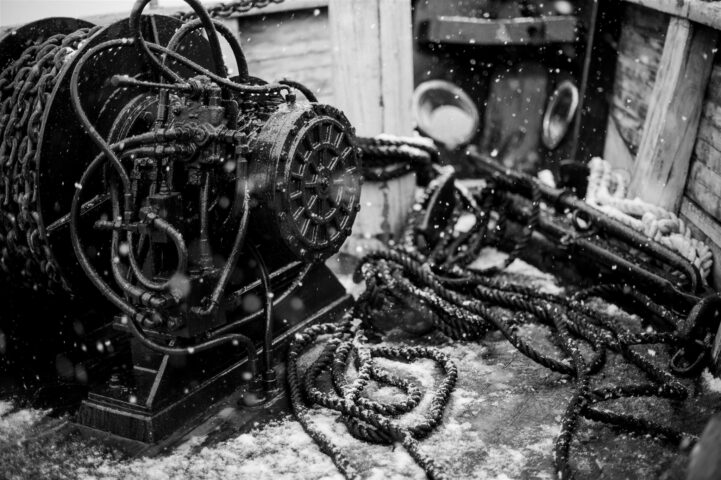

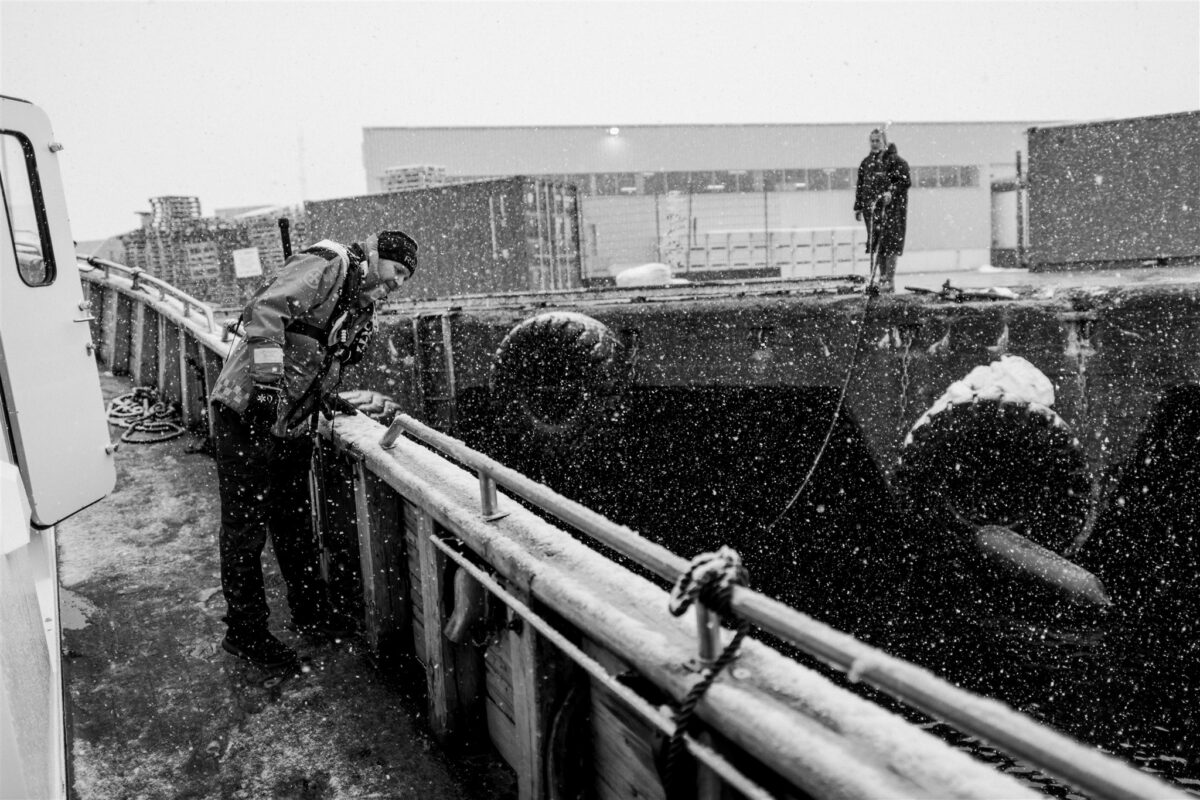
HMS Gåssten now enjoys a more laid-back existence having been privately purchased in 2013. A comprehensive 18-month refurbishment and refit was carried out by master-craftsmen in Scotland. They were tasked with maintaining the boat’s unique military character whilst equipping her comfortably for her role as an adventure cruiser hosting private charter guests. The structural renovation was undertaken in Oban and Fraserburgh by some of the now rare boatyards which still work in wood, using timber sourced from the Glamis Estate.
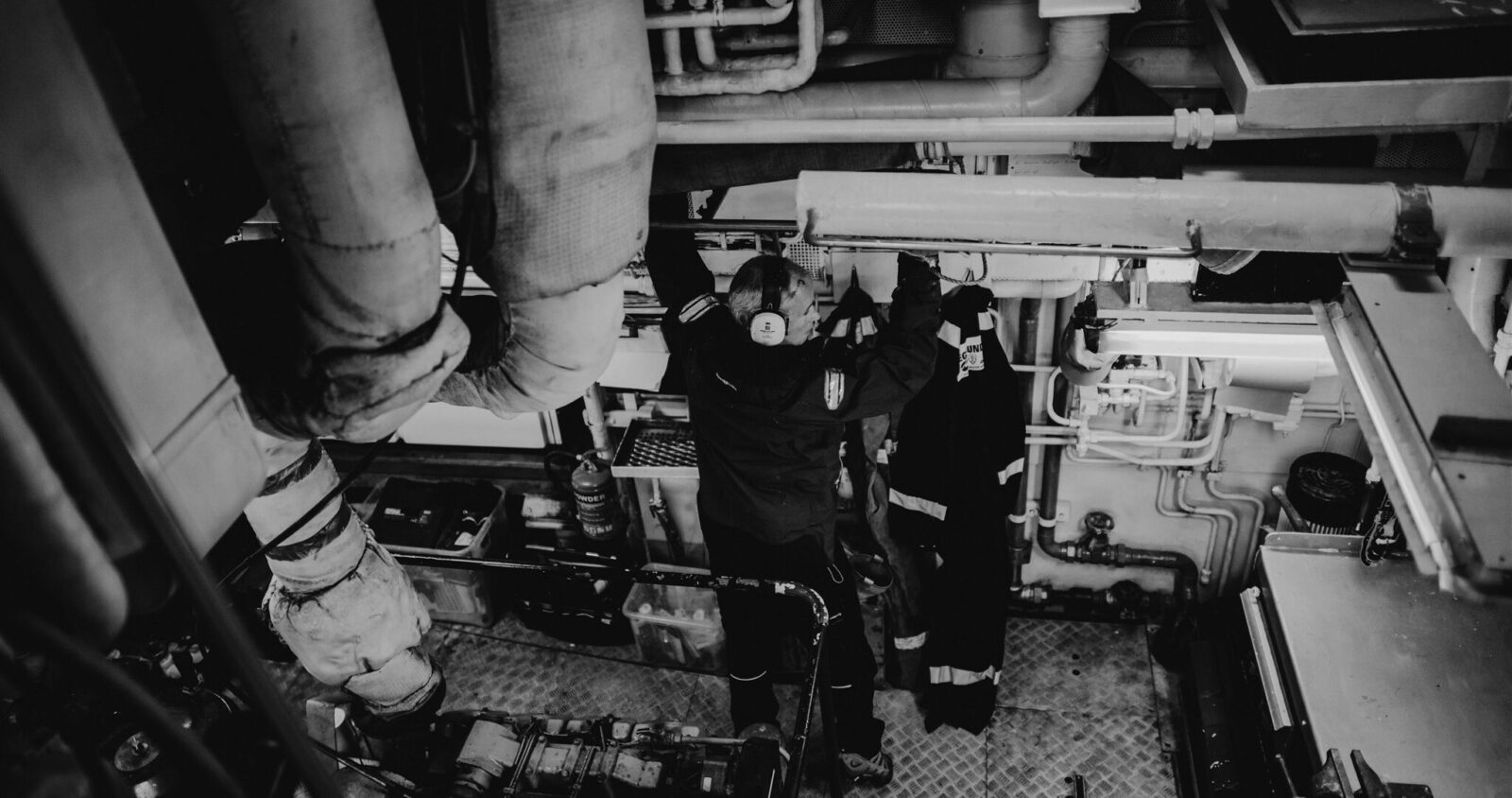
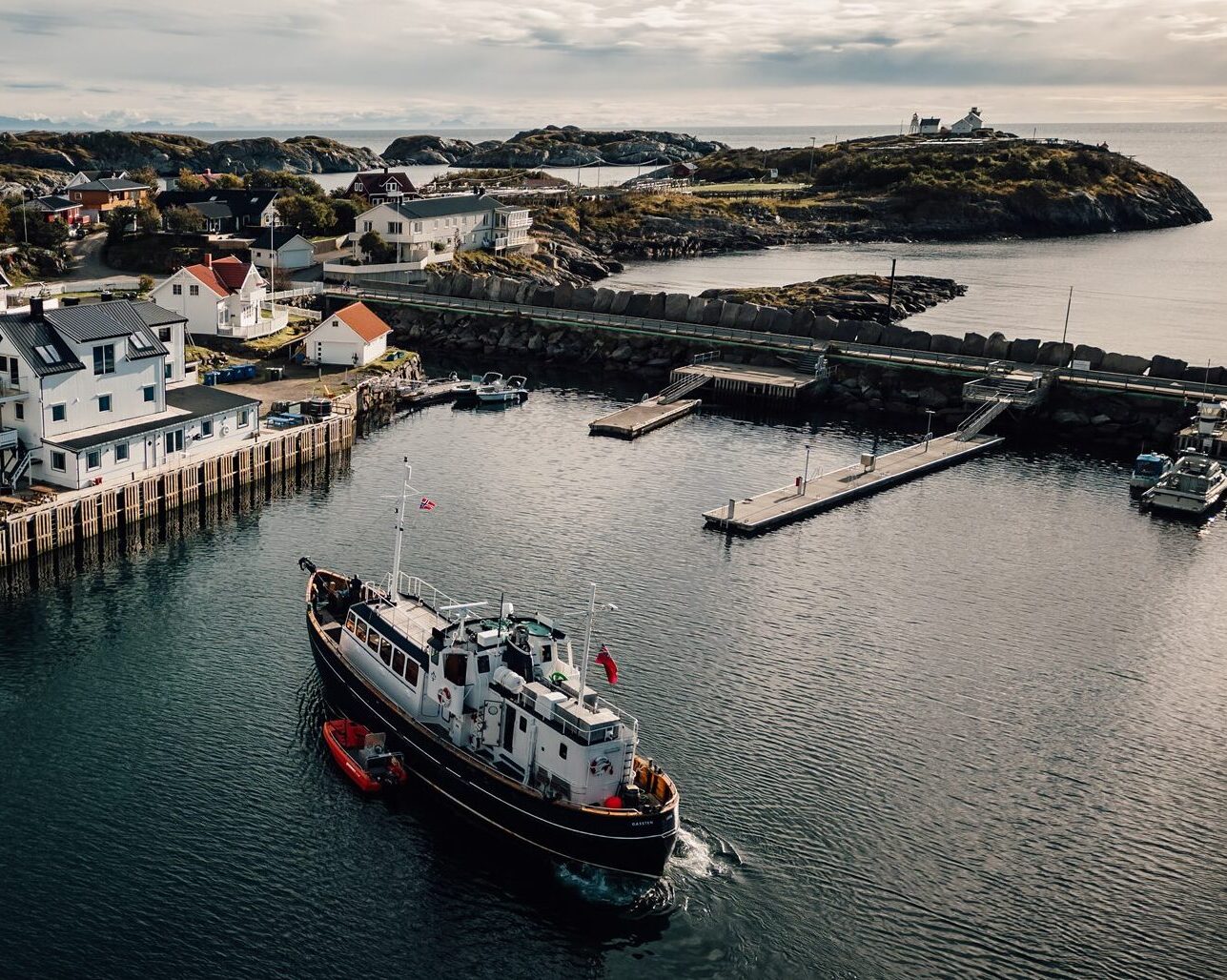
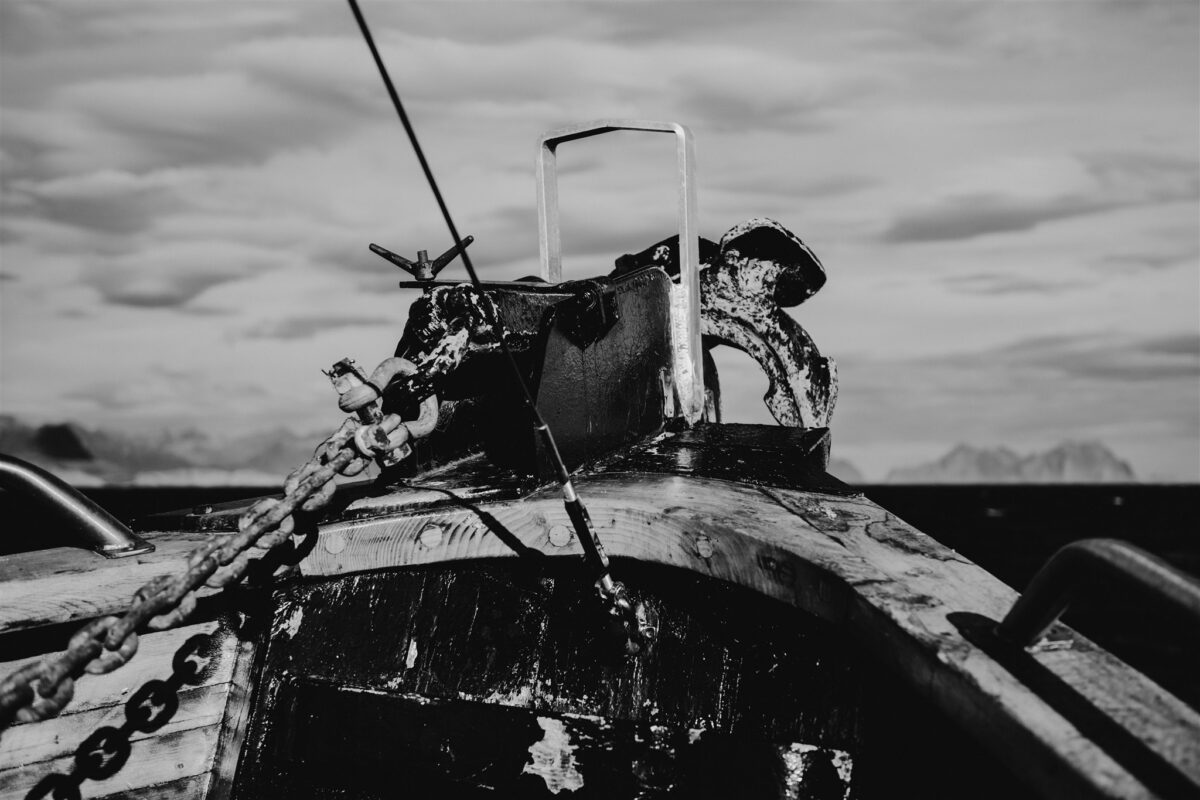
Some key works include the addition of the saloon which stands in place of the original mine-lifting crane on the foredeck. The saloon roof serves as a deck from which guests can admire the spellbinding scenery by day and stargaze by night. A gun turret, which once stood on the bow deck, has been removed to create a platform from which swimmers can leap into the crystal-clear waters of the archipelago.
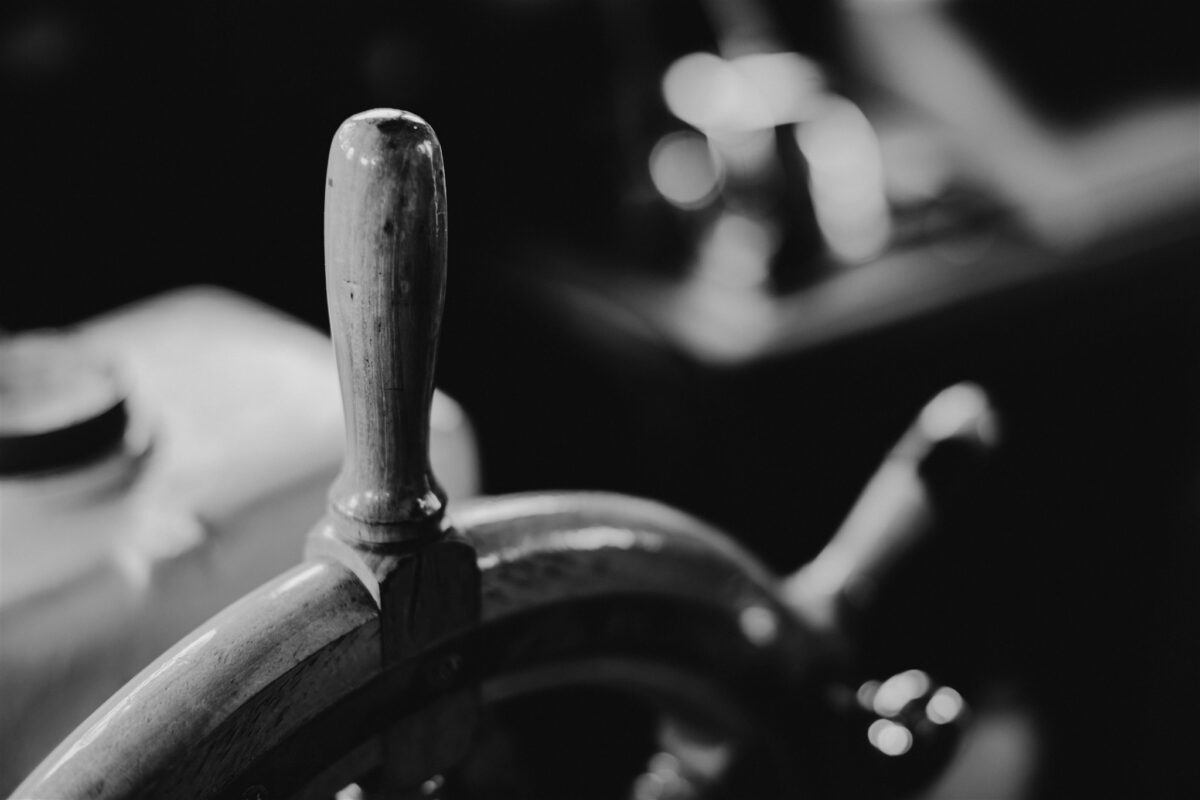
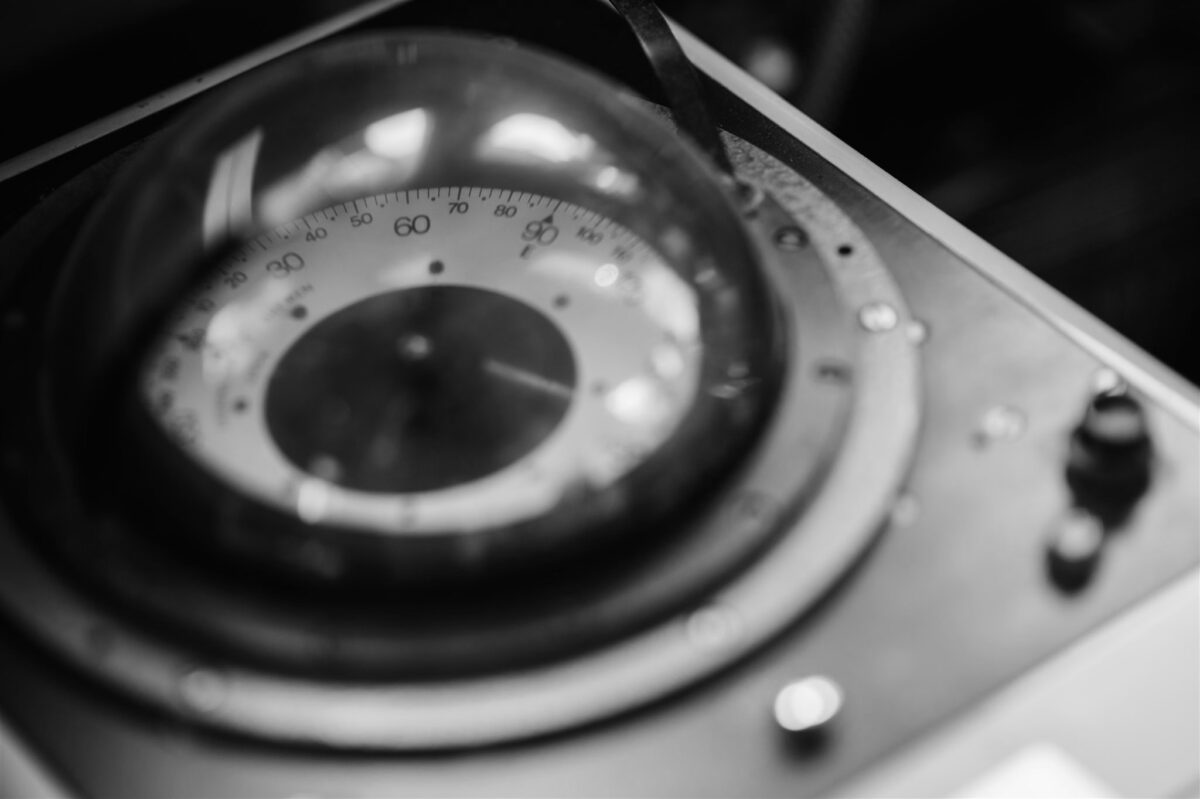
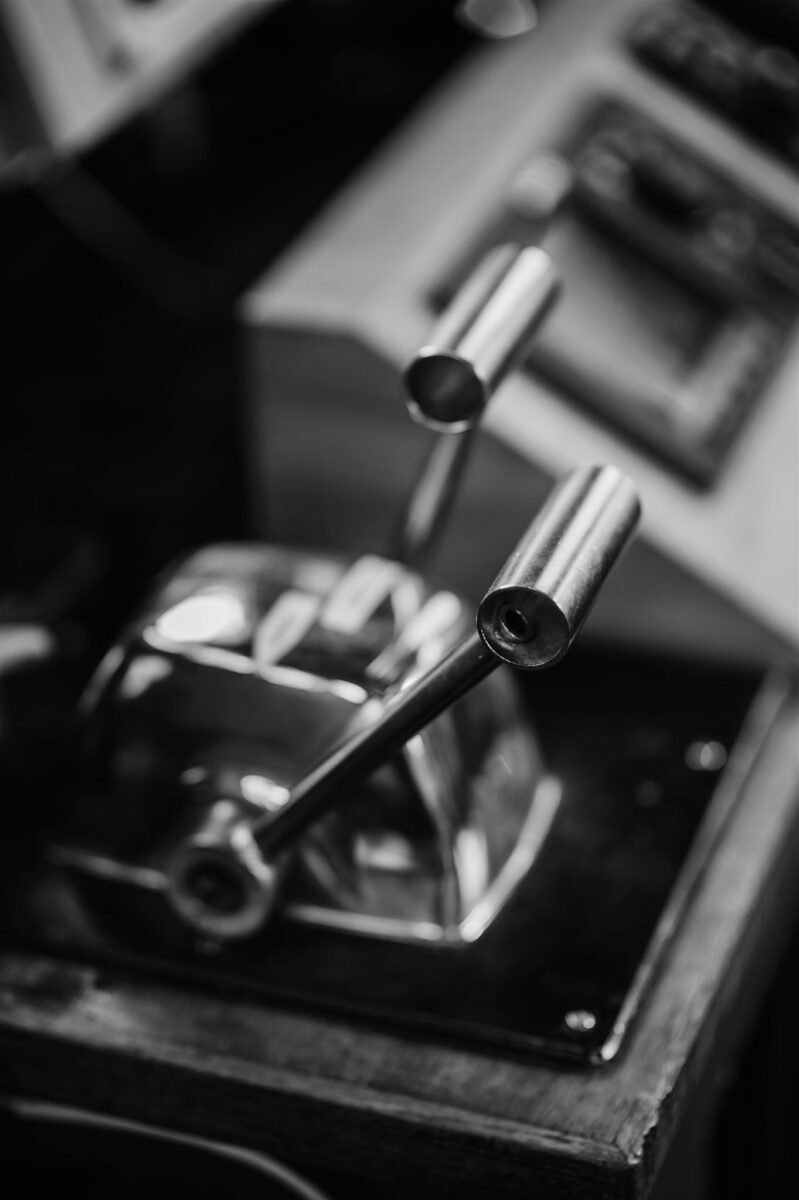
By contrast, the largely untouched bridge retains the look and feel of the old minesweeper. Although her guns are long gone, memorabilia remains on board throughout the vessel as a nod to HMS Gåssten’s rich history.